Published on September 1, 2023 at 12:52 PM
Value of Cold
In this case study explore how AoFrio’s technology helped a beer brand understand what was happening in the field regarding the impact of temperature on sales.
In this case study explore how AoFrio’s technology helped a beer brand understand what was happening in the field regarding the impact of temperature on sales.
Introduction
The global beverage industry is tremendously competitive and maintaining the proper product temperature at the point of sale can make all the difference in the market. As a result, beverage companies invest significant sums of money on coolers year after year on the evidence that a cold beverage sells better. It is therefore important to understand, how does temperature really impact the productivity of a commercial asset and what factors need to be considered to achieve the desired temperature?
Executive summary
Maintaining the ideal temperature of products at the Point of Sale (POS) can have a considerable influence on sales. Aware of this fact, a well-known beer brand in Latin America aimed to enhance the sales effectiveness of their existing equipment fleet.
In this case study, we will explore how AoFrio’s technology helped the beer brand understand what is happening in the field regarding the impact of temperature on sales.
Challenge
Achieving and maintaining the optimal temperature at the POS can be influenced by many factors.
Here, the beer brand seeks to determine the relationship between temperature, actual market ranges, and how these variables could lead to better asset productivity.
Solution
Using AoFrio’s IoT solution, the beer brand collected data with accurate information on various critical parameters such as:
- Actual operating temperature ranges and segmentation in the market
- Number and timing of door openings (refills) vs temperature
- Correlation between asset on/off time and temperature
- Pulldown speed (time to reach ideal temperature)
- Compressor duty ratio and component efficiency
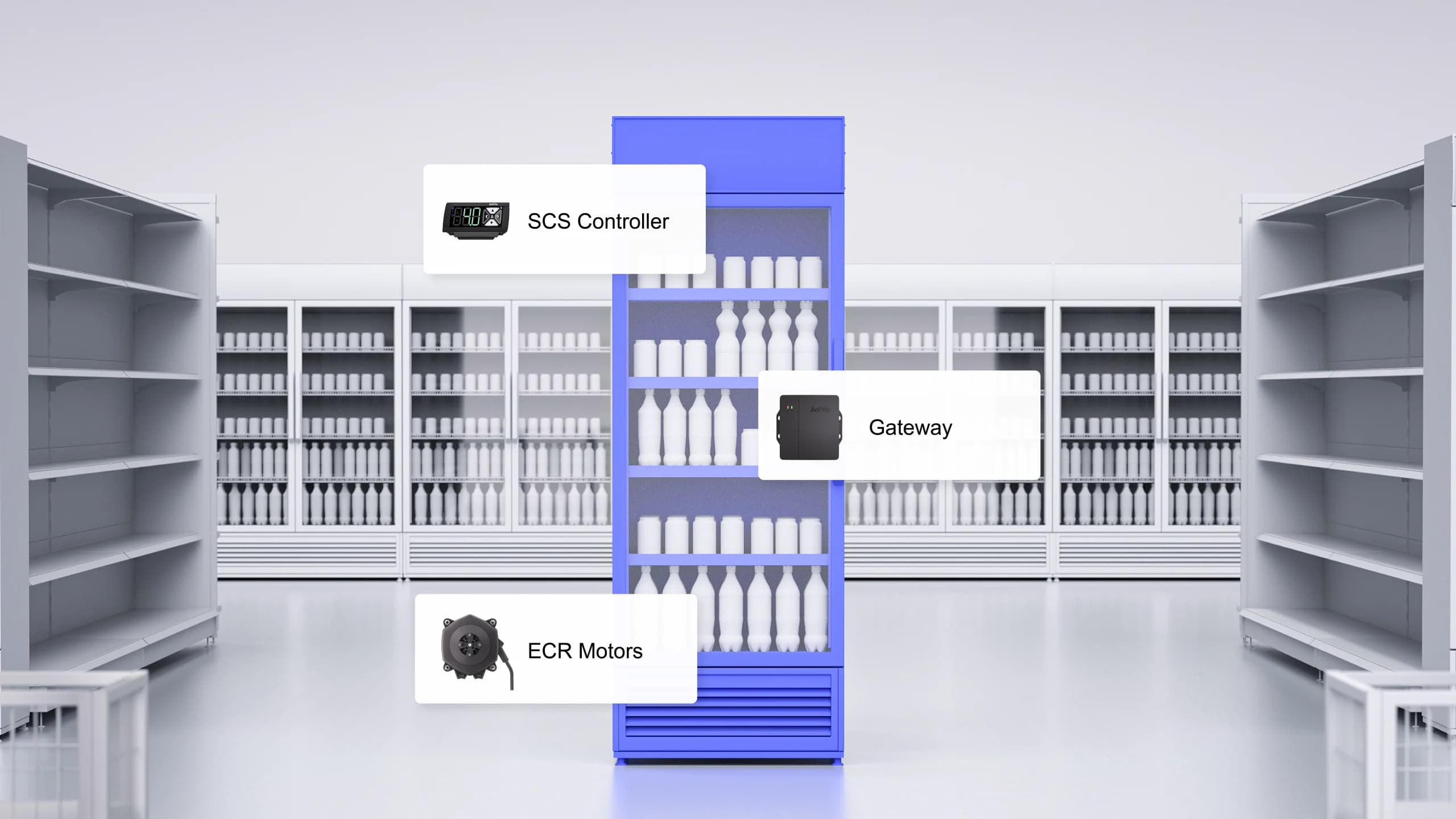
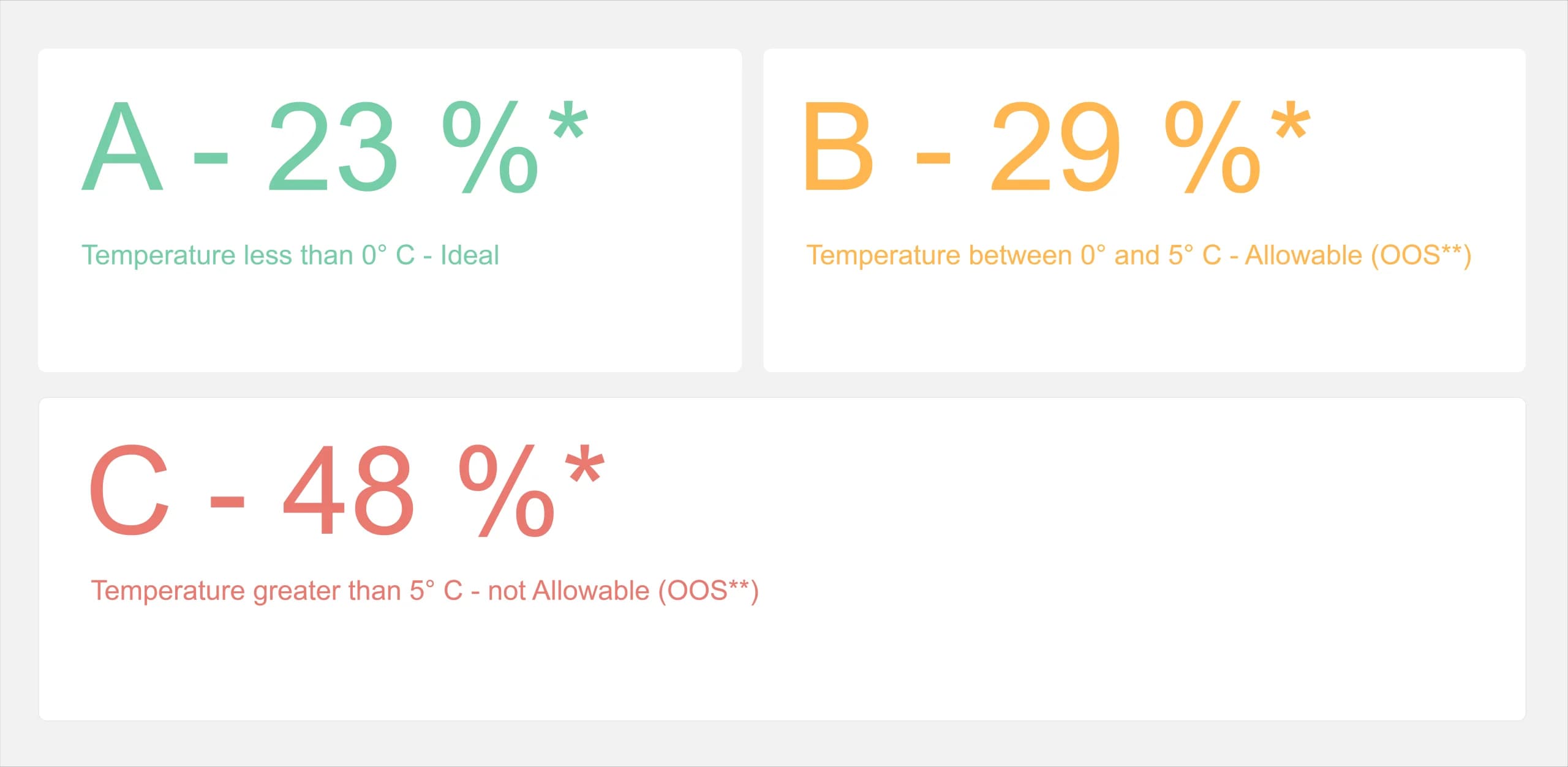
This data provided valuable insights that directly improved the understanding and management of the key drivers of optimal temperature at the POS. AoFrio’s SCS Controllers made operational performance tracking both transparent and easily measurable. The implementation was across 13,400 coolers that were in the market for 3 months. The temperatures obtained from the brand’s coolers were segmented into 3 levels based on their quality policies:
Results
The company used the data collected to answer how much temperature range could impact the usage of the assets on market. A correlation between temperature vs. asset use (door openings) was made.
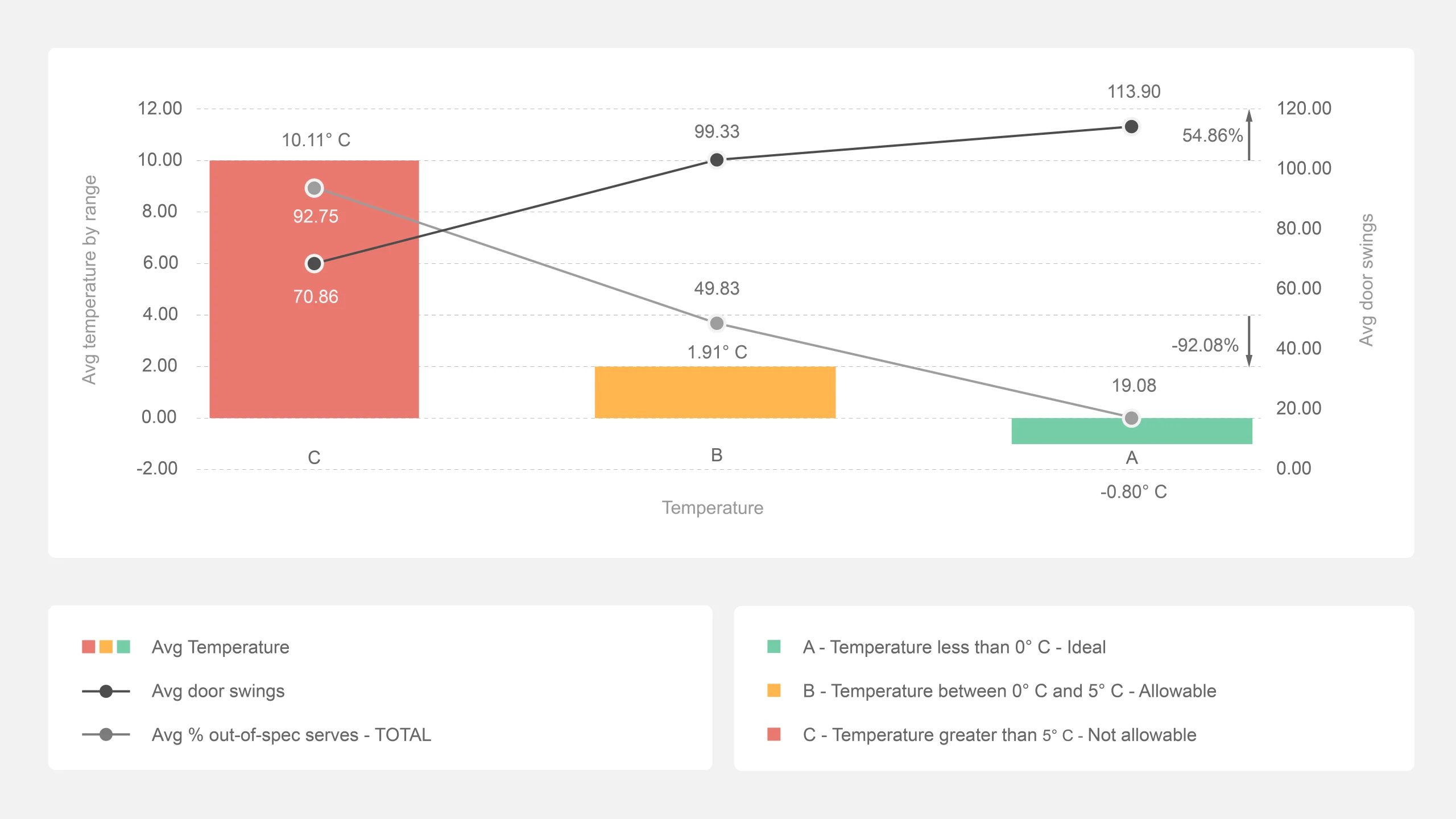
Analyzing the data revealed that assets operating within the optimal temperature range (A) experienced an increase of more than 54% in door openings, and door openings out of specification (OOS) decreased by about 92% for assets outside this optimal range.
Additionally, a correlation was established between temperature ranges and operational hours, which facilitated the generation of commercial actions for pre-sales discussions with end-users.
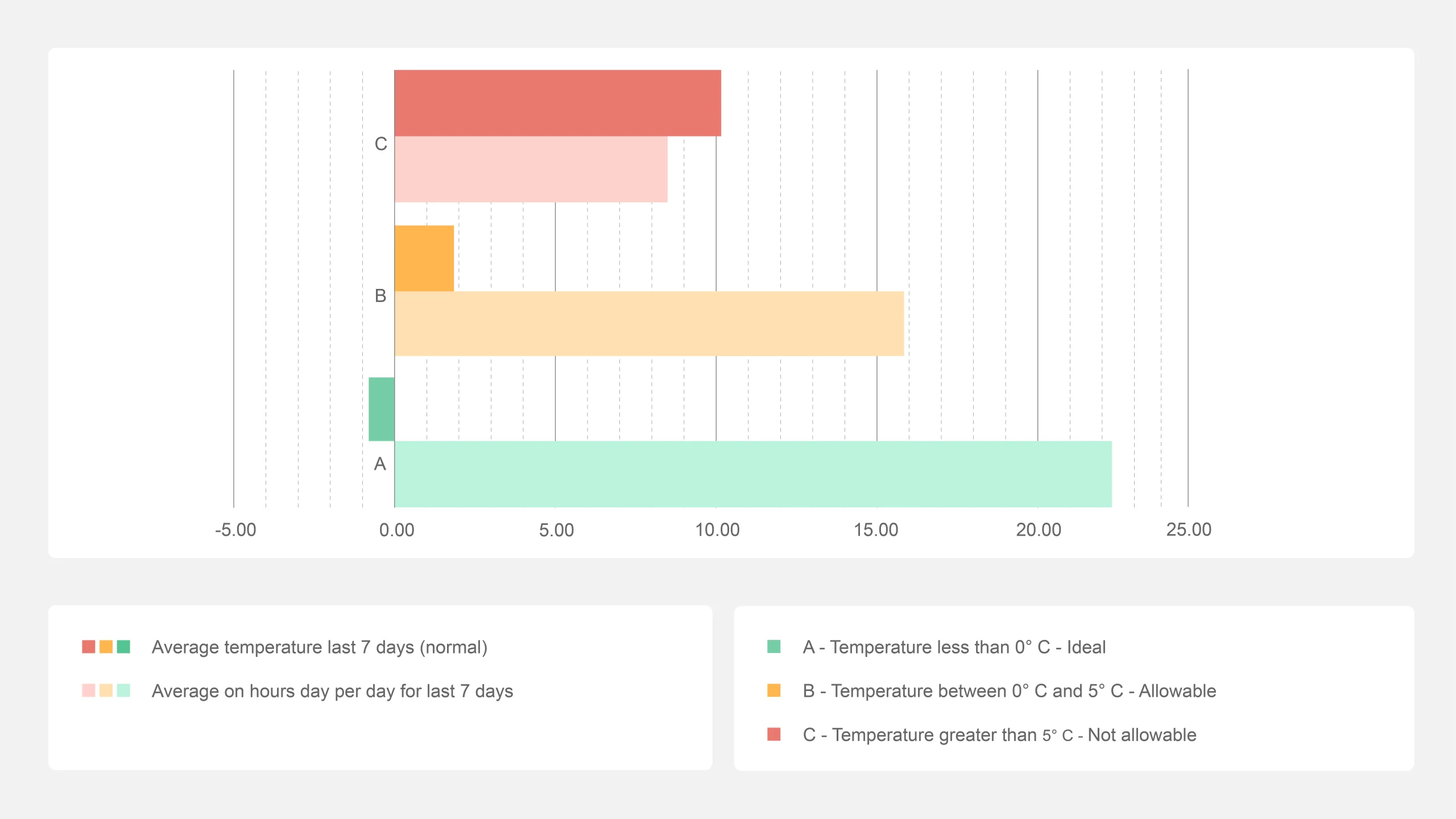
Armed with these insights, the beer brand was able to identify the number of hours that a cooler needs to remain connected for each temperature range. This data obtained from AoFrio’s IoT ecosystem assisted the brand to refine their commercial strategies for different channels, customer types, and regions.
Conclusion
The case study demonstrates a clear and compelling correlation between temperature and its impact on asset productivity. Furthermore, it emphasizes the transformative potential of IoT technology in enhancing business operations within the beverage industry through the collection and analysis of data. This internal business case provided effective results to justify a continuous investment in IoT for the brand’s cold fleet.
The beer brand has subsequently implemented strategic initiatives aimed at enhancing the efficiency of its cooler fleet across parameters including commercial channels, sales management, and customer segmentation.